

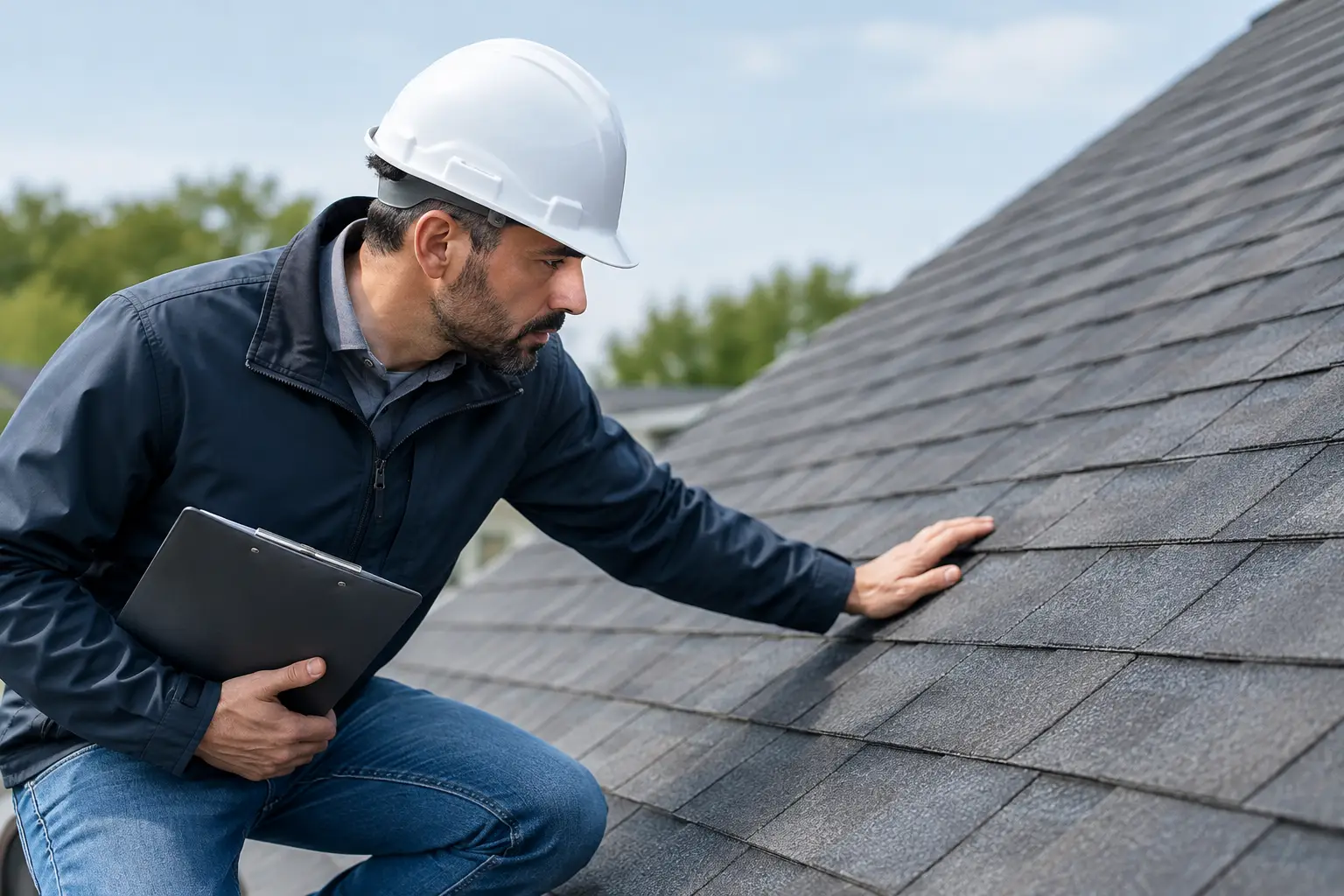
A new roof, repair or flat roofing job should give you confidence when the weather turns, not leave you wondering who will answer the phone if something goes wrong. Evaluating roofer workmanship guarantees properly is one of the best ways to separate a dependable local contractor from somebody who is simply keen to win the job.
A guarantee is not a substitute for good work. It is proof that the roofer is prepared to stand behind it. Before accepting a quote, take time to understand exactly what is covered, how long it lasts and what you would need to do if you ever had to make a claim.
What a workmanship guarantee should cover
A workmanship guarantee covers faults caused by the installation or repair work itself. In roofing terms, that could include poorly fitted tiles or slates, defective leadwork, incorrectly formed valleys, failed flashings, poor sealing around a chimney, or issues with a flat roof system that result from the way it was fitted.
It does not usually cover every future problem with the roof. Storm damage, falling branches, accidental damage, blocked gutters and normal ageing are different matters. Nor should a workmanship guarantee be confused with the manufacturer’s warranty on roofing materials. A tile, membrane or gutter product may have its own warranty, while the roofer remains responsible for fitting it correctly.
This distinction matters. If a newly installed ridge tile comes loose because the fixing was inadequate, that is likely to be a workmanship issue. If an exceptional storm damages soundly fitted tiles, it is more likely to be an insurance matter. A good contractor will explain the difference plainly rather than using vague wording.
Look beyond the number of years
Homeowners often see a long guarantee period and assume it means the better offer. Length matters, but it is only one part of the picture. A ten-year guarantee with clear written terms and a known local contractor can offer far more reassurance than a longer promise with no paperwork, no address and no detail about what happens if there is a problem.
Ask for the guarantee in writing before work begins, not as an afterthought once the final invoice has been paid. It should identify the property, describe the work carried out, state the start date and make clear how long the cover lasts. It should also say whether the contractor will return to inspect and rectify a covered defect without labour or material charges.
Read exclusions carefully. Reasonable exclusions are normal. A roofer cannot guarantee against damage caused by another tradesperson, structural movement, poor ventilation that was outside the agreed scope, or a gutter blockage that has not been maintained. The concern is broad wording that lets the contractor dismiss almost any issue as excluded.
If the roof has known underlying problems, such as rotten timbers, unstable chimney brickwork or inadequate drainage, make sure the quote explains whether these will be repaired. A guarantee can only cover the work that has actually been allowed for. The cheapest quote may leave out vital preparation work, then offer a guarantee that is worth little in practice.
Evaluating roofer workmanship guarantees and insurance-backed cover
An insurance-backed guarantee adds another layer of protection. In simple terms, it is intended to provide cover if the original contractor has ceased trading and cannot honour their workmanship guarantee. This can be particularly reassuring for major work such as a full re-roof, new flat roof or extensive roofline replacement.
However, insurance-backed cover should still be checked rather than taken on trust. Ask who provides the policy, whether there is a certificate, when it will be issued and whether any registration or activation is required. You should also understand the policy term, any excess and the process for making a claim.
Insurance-backed cover does not mean every roofing issue is automatically accepted. Like any policy, it has terms and limits. Its value is that it gives you a route to pursue a valid workmanship claim if the business is no longer available. For work that protects the whole house, that extra safeguard is worth discussing.
At 5 Towns Roofing, guaranteed workmanship backed by an insurance-backed guarantee is part of the reassurance offered to homeowners. Just as importantly, customers should expect straightforward communication during the job and a local team that remains accountable after the scaffolding comes down.
Judge the work behind the promise
The wording of a guarantee is only as good as the workmanship it supports. Before choosing a roofer, look at the practical signs that they plan to do the job properly. A thorough inspection and a clear scope of work are good starting points. A contractor should be able to explain what they have found, why the repair or replacement is needed, and which areas will be included.
For a re-roof, that may mean discussing the condition of the existing roof covering, battens, underlay, timbers, valleys, flashings and ventilation. For a flat roof, it may mean checking the fall of the roof, drainage outlets, edge details and the condition of the deck beneath. For a repair, it means finding the source of the leak rather than simply applying sealant to the most visible area.
A detailed written quotation helps prevent disputes later. It should state the materials proposed, the main stages of work, whether waste removal and scaffolding are included, and any work that has been excluded. You do not need a page of technical jargon, but you do need enough information to know what you are paying for.
Be cautious if the contractor diagnoses a major problem from the pavement, pressures you to decide immediately, or offers a guarantee without examining the roof closely. Roofs can hide defects, and honest tradespeople will say when an issue can only be confirmed after tiles are lifted or rotten material is exposed. The right approach is to explain the possibility and agree how any additional work will be handled.
Questions worth asking before you accept a quote
You do not need to interrogate every roofer, but a few direct questions can tell you a great deal. Ask what is covered by the workmanship guarantee, what is excluded, and whether you will receive written paperwork when the job is complete. Ask whether the guarantee is transferable if you sell the property, particularly if you are planning to move within a few years.
It is also sensible to ask how a problem would be reported and how quickly the company aims to respond. A local contractor serving Castleford and the surrounding area should be reachable when you need them, especially after heavy rain or high winds. No roofer can control the weather, but they can be clear about their response and keep you informed.
Finally, ask what maintenance is expected from you. Clearing gutters, keeping valleys free of debris and arranging occasional roof checks can prevent avoidable water damage. Maintenance requirements should be realistic and clearly stated, not used as a reason to avoid responsibility for poor installation.
Keep the paperwork safe
Once the job is finished, keep the quotation, invoice, guarantee certificate, photographs and any product information together. Take a few clear photos of the completed work yourself as well. This record is useful if you need to raise a concern, make an insurance claim after storm damage or provide information to a future buyer.
If you spot a possible defect, report it promptly and in writing. Include photographs and a short description of what has happened, such as water entering around a chimney after rainfall or a section of guttering pulling away. Give the contractor a fair chance to inspect the issue and put it right. Reputable roofers want the opportunity to resolve genuine problems before small defects become expensive damage.
The best guarantee is one you never need to use because the roof has been surveyed carefully, priced honestly and completed to a high standard. Choose a roofer whose paperwork is clear, whose advice makes sense and whose local reputation gives you confidence that they will still be there when you need them.